
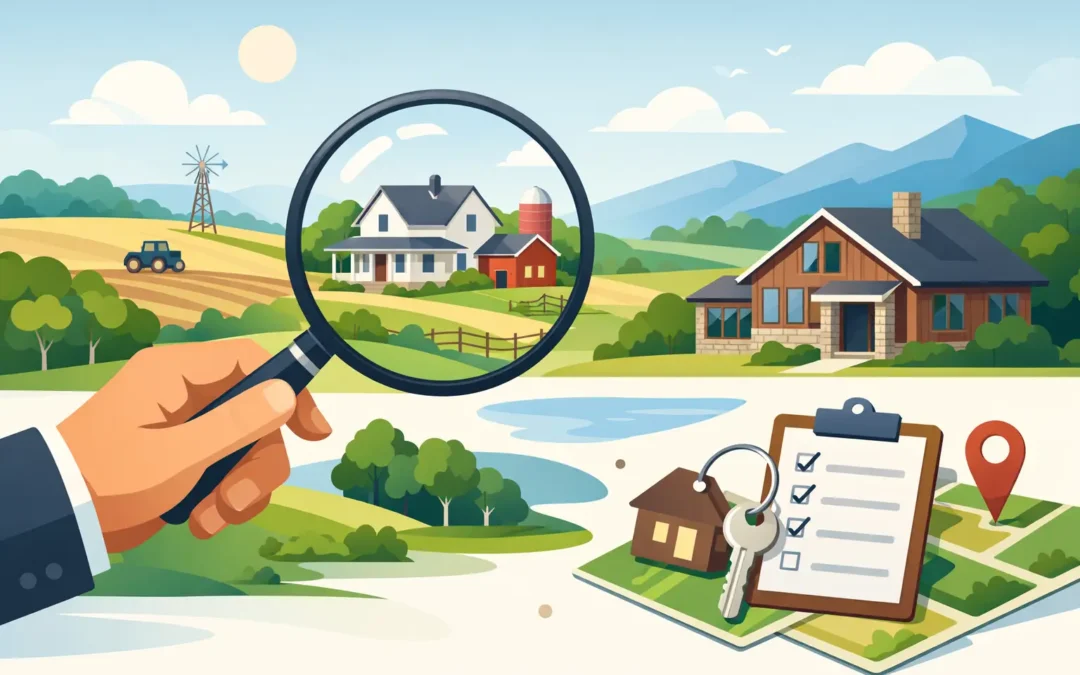
A place can look perfect from the county road and still create expensive surprises after closing. That is why buying rural homes requires more than falling for a wide porch, a long view, or enough room for horses. In North Texas, the details behind the gate matter just as much as the home itself: water, access, fencing, restrictions, soil, outbuildings, and the daily work the property will ask of you.
For some buyers, rural living means a quieter home base with room for a garden and a few animals. For others, it means a working ranch, a horse facility, or a place where a rodeo trailer can pull in, turn around, and head back out before daylight. The right property depends on how you plan to live on it.
Start With How You Will Use the Property
Before comparing square footage or finishes, get clear on the job the property needs to do. A family seeking privacy may be well served by a few usable acres near town. A buyer with horses needs dependable fencing, safe footing, shade, water access, and enough room for daily turnout. A ranch operation may need cross-fencing, pens, equipment storage, grazing potential, and an efficient way to move livestock.
Rodeo families should look beyond whether there is a barn. Consider the size and condition of the arena, ground quality, lighting, alleyways, loading access, and trailer parking. A practice pen that works for one event may not work for another. If you travel with horses regularly, the distance from the barn to the road, the width of the driveway, and the ability to turn a truck and trailer around can make a real difference.
It also helps to think ahead. A smaller acreage property may fit your needs today, but will it still work if you add horses, build a shop, start a small herd, or need space for family members? Buying enough functional land is often more valuable than buying more land that is steep, poorly drained, or difficult to access.
Rural Homes Depend on Water and Access
Water is one of the first items to evaluate. Many rural homes rely on a private well rather than a municipal water system. Ask about the well’s age, depth, production history, pump condition, and water quality. A well inspection and water test can provide useful information before closing, particularly if the property supports livestock or includes irrigation.
Surface water matters, too. Ponds can add beauty and utility, but their condition depends on rainfall, drainage, soil, and maintenance. A pond that looks full after a wet season may not hold water during a hot North Texas summer. If a pond is important for livestock, fishing, or recreation, ask practical questions about its history rather than relying on one showing-day impression.
Road access deserves the same attention. Confirm whether the road is public, private, or maintained through an agreement with neighboring owners. Gravel roads can be perfectly workable, but upkeep costs and responsibility should be understood. Consider the route after heavy rain, whether emergency vehicles can reach the home, and how deliveries, feed trucks, or horse trailers will get in and out.
A beautiful tract at the end of a long private drive can be worth it for the privacy. It can also require more time, more maintenance, and a clearer plan for weather-related access. There is no wrong answer, but there should be no uncertainty about what you are buying.
Look at the Land, Not Just the House
The house may be move-in ready, but the land still needs an honest inspection. Walk as much of the property as possible. Notice changes in elevation, drainage paths, low spots, rocky ground, mesquite cover, and areas that may be hard to mow or maintain. The most useful acreage is acreage you can safely use.
Fence lines should be checked closely. Replacing old fence is not a small weekend project when property lines stretch for acres. Look for loose wire, leaning posts, damaged gates, and sections where livestock could escape. If the seller has cattle, horses, goats, or other animals on the property, see how the current infrastructure supports them.
Soil can affect everything from grazing and gardens to septic systems and building plans. If you expect to build an additional home, barn, arena, or shop, verify what the site can support before making assumptions. Floodplain information is also worth reviewing. A seasonal creek may be part of the property’s character, but it can affect where you build, insure, or place improvements.
Trees and native cover have value, especially for shade, privacy, and wildlife. They also require management. Dense brush can limit pasture use, hide old debris, and create more work than a new owner expects. A property should fit your available time, equipment, and budget, not just your vision for it.
Inspect Every Improvement With Purpose
Outbuildings are a major reason buyers choose country property, yet their condition is often overlooked. A barn, shop, shed, arena, or set of working pens may appear serviceable from a distance while needing electrical work, roof repairs, drainage improvements, or structural attention.
Ask what has been updated and what is still in use. Check for adequate power at the shop or barn, functional water lines, proper drainage around buildings, and safe storage for hay, tack, feed, and equipment. If the property includes stalls, inspect ventilation, flooring, doors, and the condition of runs or turnouts.
For the home itself, rural inspections should account for systems that are less common in town. Septic systems, propane tanks, well equipment, generators, gates, and private roads all have maintenance needs. A standard home inspection is valuable, but a buyer may also need specialized evaluations based on the property. The goal is not to find a flawless place. It is to understand the condition of what you are taking on and budget accordingly.
Understand Restrictions, Taxes, and Services
Country property can offer freedom, but it is not automatically unrestricted. Deed restrictions, homeowners associations, road agreements, easements, and county requirements can affect livestock, mobile homes, commercial activity, fencing, building placement, and short-term rentals. If you plan to operate a business from home, keep a training facility, or build additional improvements, verify the rules early.
An easement may give a neighbor the legal right to cross part of the land. Utility easements can limit where you build. Mineral rights may be owned separately from the surface estate. These are not necessarily deal-breakers, but they should be clearly explained before you move forward.
Property taxes deserve a close look as well. Agricultural valuation can significantly affect annual tax costs, but eligibility is based on use and requirements, not simply on owning acreage. A change in use can change the tax picture. Ask how the property is currently valued and what steps may be needed to maintain that status after purchase.
Finally, consider the everyday services that make country living comfortable: internet availability, cell service, trash pickup, mail delivery, school routes, fire protection, and the drive to groceries, veterinary care, feed stores, and medical services. A little extra driving is a welcome trade-off for many rural buyers. For others, being within a certain distance of town is nonnegotiable.
Choose a Property That Supports Your Life
The best rural home is not always the biggest house or the most acres for the price. It is the place where the layout, land, improvements, and location work together for your family, animals, work, and long-term plans. Sometimes that means a polished home on a manageable tract. Sometimes it means an older ranch house with good water, usable pasture, and a barn that is ready to go.
A local real estate team can help you ask the right questions before emotion takes over the decision. At South Gate Realty, that means paying attention to the practical details that shape life on acreage, from a horse trailer’s turning radius to the condition of the back fence.
When you find a property that feels right, take the time to see it in the conditions that matter. Walk the pasture, open the gates, check the water, and picture an ordinary Tuesday there. That is often where a rural property proves whether it is truly home.