
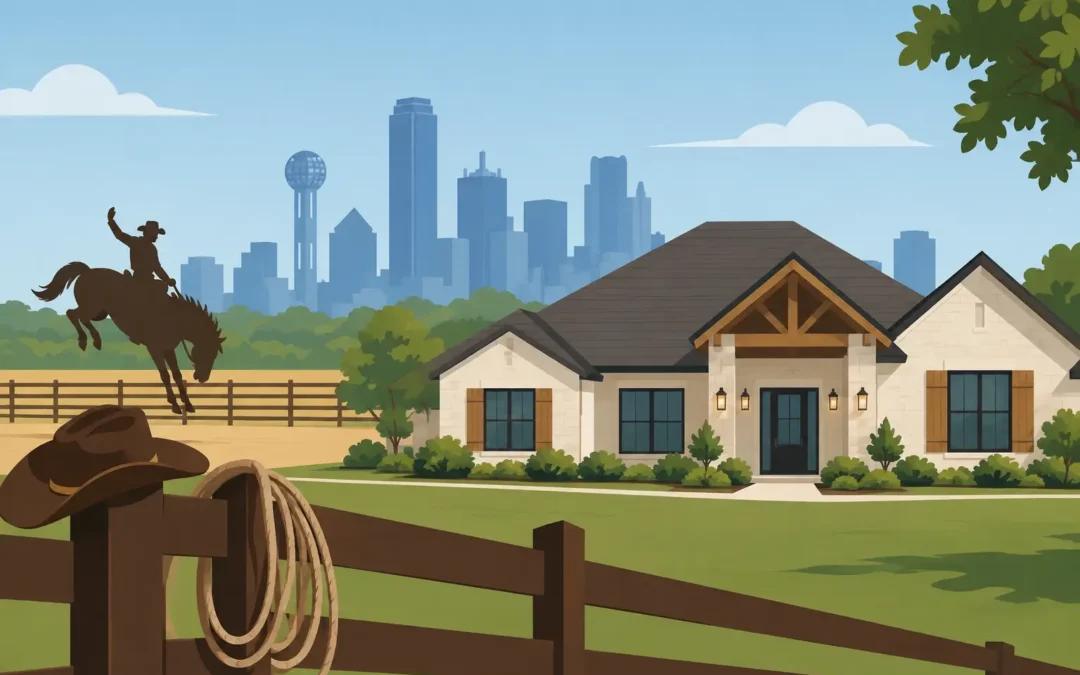
A property can have a pretty house, five acres, and a pipe entrance, yet still fall short for a family hauling to jackpots every weekend. A useful rodeo home example starts with the daily work: feeding before daylight, conditioning horses after school or work, loading safely, and getting home without turning a simple routine into a long list of chores.
For North Texas buyers, the right rodeo property is rarely defined by one feature. It is a working combination of land, improvements, access, water, and a home that fits the people who live there. Here is what that can look like in practical terms.
A Rodeo Home Example Built for Real Use
Picture a 15-acre property outside Stephenville, Ranger, or another rural North Texas community. The home is a well-kept three-bedroom, two-bath ranch-style house with a durable driveway, a mudroom, and enough storage for boots, tack bags, feed-store runs, and the everyday clutter that comes with an active horse family.
Behind the house sits a five-stall barn with a center aisle, tack room, feed storage, and turnouts connected by safe gates. The barn is close enough to the home to make early feeding and evening checks manageable, but not so close that dust, flies, and barn noise take over the back porch. A wash rack and covered tie area give the family a workable place to cool down horses and handle routine care.
The riding setup includes a lighted outdoor arena with dependable footing, return alley space, and room to back a truck and trailer without squeezing around trees or fences. It may have a smaller practice pen or round pen nearby for warm-ups, groundwork, and younger horses. The front gate opens onto a county road with enough room to make a comfortable turn when pulling a trailer.
That is the basic picture. But what makes this a true rodeo-ready property is not the number of stalls or the size of the house. It is how all those pieces function together on an ordinary Tuesday.
Start With the Daily Horse Routine
A good property should shorten the work, not add to it. In this example, the barn has a reliable water source, electrical service where it is needed, drainage that keeps standing water from collecting, and enough covered space to protect hay and feed. Gates are placed so horses can move from turnout to barn without crossing the driveway or requiring someone to lead them through a crowded work area.
Pastures matter, too. Fifteen acres can work well for a small horse operation, but acreage alone does not tell the full story. Usable acreage depends on pasture condition, terrain, fencing, drainage, the number of horses, and whether the land will also support cattle or other livestock. A buyer with two horses has different needs than a competitor keeping several performance horses, broodmares, or outside horses in training.
The fencing in this example is visible, maintained, and appropriate for horses. Barbed wire may be common in agricultural areas, but it is not the first choice for every horse setup. Pipe, no-climb wire, board fencing, and electric options each have different costs and maintenance needs. The best choice depends on the animals, the budget, and how the property will be used.
Arena Footing Is More Than a Selling Point
An arena can look impressive in listing photos and still need meaningful work. Footing should be evaluated for depth, consistency, drainage, dust control, and the base beneath the surface. A roper, barrel racer, or rider working young horses may want something different from a family using the arena for occasional practice.
Ask how the arena is maintained and what equipment stays with the property. A drag, sprinkler system, water line, lights, panels, and roping equipment can affect both value and the amount of work required after closing. If there is a covered arena, pay attention to height, lighting, airflow, footing condition, and whether its layout suits the events you actually practice.
A smaller, well-built arena that drains correctly can be more useful than a large arena that washes out after every hard North Texas rain.
Plan for Trailers, Equipment, and Access
A rodeo home needs to work from the road inward. In the example above, the entrance is wide enough for a truck and trailer, and the drive has a solid base that holds up during wet weather. There is a turnaround or loop that lets a driver leave without backing a long trailer through tight gates.
This can be easy to overlook during a relaxed showing in dry weather. It becomes very real when a trailer is loaded, a delivery truck arrives, or a guest pulls in for a practice night. Consider bridge capacity, low-hanging limbs, narrow easements, road conditions, and the distance to major highways. A beautiful place with difficult trailer access can create frustration every time you leave for an event.
Equipment storage deserves the same attention. A tractor, arena drag, mower, truck, trailer, and hay supply take up more room than many buyers expect. A shop or equipment barn is valuable when it is positioned for easy use and does not interfere with horse traffic. Covered parking can also protect a truck and trailer from Texas sun and hail.
The House Still Has to Feel Like Home
Rodeo families do not buy facilities alone. They need a home base where everyone can rest, gather, and live comfortably between practices and road trips. In this rodeo home example, the house has a functional kitchen, durable flooring, a laundry area that can handle dirty clothes, and storage that keeps gear from taking over every room.
A mudroom or utility entrance is often more valuable than a formal feature that sees little use. So is a shaded porch where the family can look over the property at the end of the day. For buyers who host lessons, team practices, or friends passing through on the way to an event, parking and privacy should be considered early.
There are trade-offs. A newer home may need fewer repairs but sit on less land. An older ranch house may come with a better barn and more usable acreage but require updates. The right decision depends on whether your priority is move-in-ready living, horse facilities, land, location, or room to add improvements over time.
Check the Costs Behind the Improvements
Before making an offer, look beyond appearances. Confirm the water source for the home, barn, and arena. A rural water meter, well, pond, or combination of sources can all work, but each comes with different responsibilities. If the property has a well, understand its output, equipment condition, and the cost of keeping it running.
Review septic information, electrical capacity, mineral rights, access agreements, floodplain areas, deed restrictions, and agricultural exemptions where applicable. None of these details automatically make a property good or bad. They simply shape what you can do with the land and what ongoing ownership may cost.
Insurance is another practical consideration. Barns, arenas, outbuildings, livestock activity, and hosting others on the property can affect coverage options. Buyers planning to give lessons, board horses, or hold paid events should talk with qualified insurance and legal professionals before assuming a property can support a business use.
Match the Property to Your Next Few Years
The best rodeo property is not always the one with the most improvements. It is the one that fits the way you compete and live now, while leaving enough flexibility for what may come next. A young family may want room for kids and horses to grow. A serious competitor may place trailer access and a covered practice space ahead of square footage. A buyer nearing retirement may value a manageable setup with less maintenance.
A clear property search begins with honest priorities: how many horses you keep, how often you haul, whether you need an arena at home, what kind of ground you can maintain, and how much work you are willing to take on after closing. South Gate Realty helps North Texas buyers evaluate those practical details alongside the home itself, so the property supports the lifestyle rather than complicating it.
The right place should make it easier to feed, ride, load up, and come home – then give you a porch light in the evening that feels like it was meant for you.