
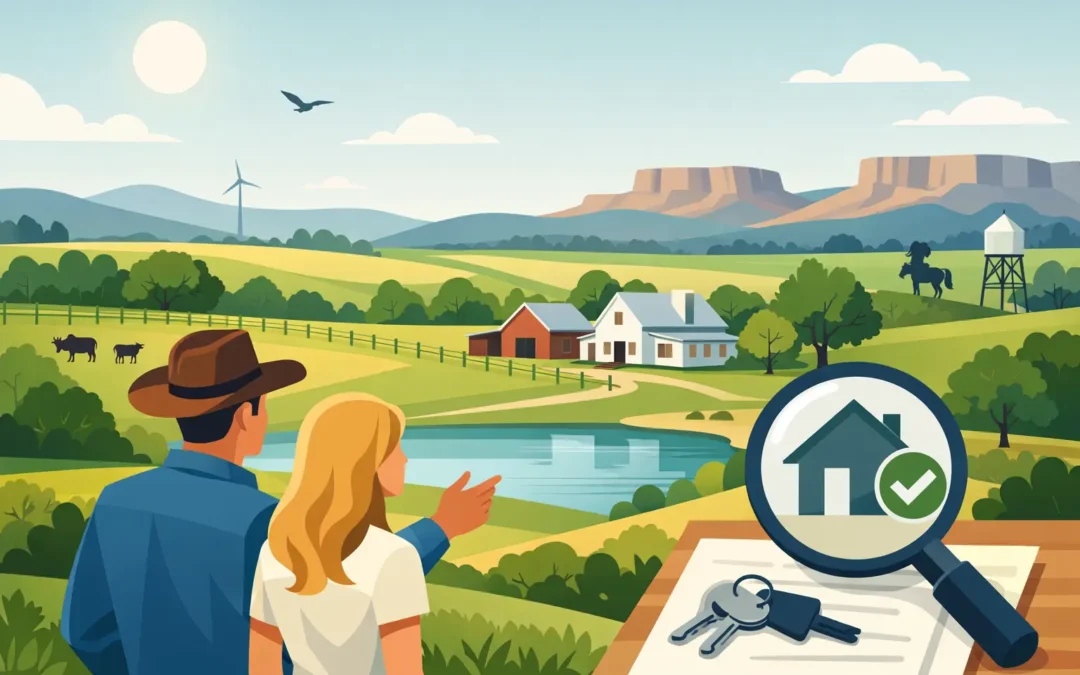
A place can look perfect from the county road and still miss the mark once you walk the back pasture, check the water source, or realize the trailer cannot make the turn at the gate. When you plan to buy acreage near Stephenville Texas, the right decision comes down to how the land works for your family, livestock, horses, and day-to-day life.
Stephenville draws people who want room to breathe without giving up community. It is a place where a few acres can mean a home with a barn, room for 4-H projects, a spot to park a horse trailer, or the beginning of a working ranch. For rodeo families, horse people, and buyers who simply want a quieter home base, the goal is not just finding land. It is finding land that fits.
Before You Buy Acreage Near Stephenville Texas
Start by defining what the property needs to do. A buyer looking for a country home with a few show animals may have very different needs than a team roper who wants a covered arena, turnout pens, trailer parking, and enough room to work horses without crowding the neighbors. A cattle operation, hobby farm, and weekend retreat each call for a different combination of acreage, improvements, fencing, and water.
It helps to separate your non-negotiables from features that can be added later. A nice barn can be built. Fencing can be repaired. But poor road access, limited water, flood-prone ground, or a location that adds an hour to every trip may be hard to overcome.
Think through the practical rhythm of your week. How often will you drive to Stephenville, Granbury, Weatherford, or Fort Worth? Will children need a school route? Do you haul horses to jackpots, rodeos, lessons, or veterinary appointments? The right acreage should support that routine rather than turn every errand into a project.
Water Is More Than a Nice Feature
In North Texas, water deserves early attention. Ask whether the property is served by a rural water provider, a private well, or both. If there is a well, learn what is known about its depth, production, equipment, and maintenance history. If livestock will be part of the plan, consider whether ponds, tanks, creeks, or water lines are dependable enough for the number of animals you expect to keep.
A pond can be a valuable feature, but it should not be treated as a guarantee. Its usefulness depends on rainfall, drainage, soil conditions, maintenance, and the condition of the dam. Walk the ground around it if possible. Look for signs of erosion, heavy brush, or areas that may hold water where you need a dry working space.
Water also affects where you can build. Before settling on a homesite, consider utility availability, well placement, septic feasibility, drainage, and the distance from the road. A beautiful hilltop view may require more planning and expense than a level site closer to existing utilities.
Study the Ground, Not Just the Acre Count
Ten usable acres can serve a family better than thirty acres with difficult terrain, limited access, or ground that stays wet. Acreage listings often highlight size, but the layout of the land matters just as much.
Walk as much of the property as you can. Notice changes in elevation, wooded sections, rocky areas, low spots, and open pasture. Consider where a barn, arena, shop, home, driveway, and livestock pens could sit. If you want to run cattle or horses, assess the condition of cross fencing and gates, along with the shape of the pastures. Long, narrow tracts can work well for some uses, while irregular boundaries may limit how efficiently you can divide grazing areas or build improvements.
Soil is another part of the picture. Productive coastal fields, sandy horse-friendly footing, native pasture, and heavier clay ground each have strengths and limitations. Your intended use matters. For example, a buyer planning an outdoor arena may need to budget for base work and drainage even if the property appears flat and open.
Access, Easements, and Boundaries Need a Close Look
The route to the property may shape its value and convenience every day. Confirm whether access is from a public road or through a recorded easement. If an easement crosses another owner’s land, understand who uses it and who is responsible for maintenance. A shared private road is not automatically a problem, but the details should be clear before you close.
For horse trailers, livestock trailers, equipment, and service vehicles, take a realistic look at road width, turns, gates, low branches, and bridge crossings. A narrow entrance that feels manageable in a pickup may be frustrating with a loaded trailer.
A current survey is also worth careful review. It helps identify boundary lines, easements, encroachments, and access points. Do not rely only on fences to show ownership. Old fencing may sit inside or outside a true property line, especially on larger tracts that have changed hands over the years.
Check Restrictions Before You Plan the Dream Setup
Many buyers choose rural property because they want freedom. Even so, restrictions, deed provisions, subdivision rules, and county requirements can affect how you use the land. Before you make a commitment, find out whether the property allows manufactured homes, short-term rentals, commercial activity, livestock, additional homes, or large outbuildings.
This matters even more for buyers with a rodeo or equestrian plan. An arena, boarding arrangement, training operation, or event space can bring traffic, lighting, noise, and parking needs that may not fit every neighborhood. A property may have enough acreage for your vision but still have restrictions that limit the way you operate.
If agricultural valuation is in place, learn what supports it and what is required to maintain it. A change in use can affect property taxes, and the details vary by property. It is smart to ask questions early rather than build your budget around assumptions.
Know What Improvements Are Really Worth
A ranch home, pipe fencing, equipment barn, covered arena, working pens, and shop can add real utility. They can also bring deferred maintenance, insurance considerations, and costs that do not show up in a listing photo.
Look beyond the appearance of improvements. Check the age and condition of roofs, electrical systems, plumbing, septic equipment, HVAC units, barns, and fences. Ask whether a barn has water and power, whether an arena has lighting and proper footing, and whether pens are safe and functional for the animals you own. If a property has a house and major outbuildings, inspections should cover more than the residence.
Sometimes a simpler property is the better value. Land with good access, dependable water, a strong homesite, and room to add your own improvements may fit your goals better than a turnkey place with features you would need to change. It depends on your timeline, budget, and willingness to take on projects.
Location Still Carries Weight
Stephenville offers a strong blend of small-town community, Tarleton State activity, agriculture, and rodeo culture. That makes nearby acreage appealing, but location affects more than convenience. It can influence resale potential, availability of services, school preferences, commute time, and the type of neighboring properties around you.
Some buyers want to be close to town for groceries, medical care, schools, and events. Others would rather trade a few extra miles for privacy and open country. Neither choice is wrong. The key is being honest about what distance feels workable after the excitement of the purchase settles into daily life.
It is also wise to visit at different times of day. Listen for highway noise, nearby operations, trains, or event traffic. Check the drive after rain if possible. Rural living brings character and independence, but it also means paying attention to the details that city neighborhoods often handle for you.
Build a Purchase Plan That Leaves Room for Reality
Land purchases can involve more moving parts than a standard residential sale. Financing may differ depending on acreage, improvements, agricultural use, and whether the property will be a primary residence. Insurance, inspections, surveys, septic evaluations, and well testing can all deserve a place in the budget.
Leave room for the work that follows closing. New gates, gravel, fence repairs, brush clearing, water lines, a run-in shed, or a new driveway can add up quickly. A clear budget helps you compare properties fairly. The lower-priced tract is not always the lower-cost choice if it needs substantial work before it can support your plans.
A local real estate professional who understands rural land can help you look past the listing language and focus on the questions that matter. South Gate Realty works with buyers who need acreage to function as a home, a ranch, a horse property, or a rodeo-ready base of operations.
The best property is not necessarily the biggest tract or the one with the most polished photos. It is the place where the gate swings wide enough for your trailer, the water supports your animals, the land gives your family room to grow, and the drive home feels worth it every time.